Eastern Pacific Shipping reported a 48% reduction in close-encounter events across five vessels using Orca AI, with the system helping bridge teams identify potential risks earlier. The case study shows how shipowners are using AI and computer vision both onboard and ashore to support navigation, crew training and fleet safety oversight.
Eastern Pacific Shipping (EPS) has expanded its use of Orca AI after testing the platform across five vessels, comprising two bulk carriers, two container ships and one tanker. The vessels covered more than 130,000 nautical miles and generated more than 2,000 navigational events during the assessment.
EPS operates more than 350 vessels and identified fatigue, dense traffic, poor visibility and non-AIS targets as areas where additional digital support could assist bridge teams. These issues were particularly relevant during night operations and transits through the Malacca and Singapore Straits.
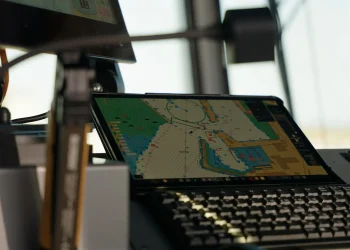
Orca AI’s SeaPod was installed alongside radar and ECDIS, using AI and computer vision to provide a continuous visual reference and prioritise targets. The system also detects non-AIS targets such as small boats, fishing vessels and buoys.
“During heavy traffic situations, Orca AI is really helpful because it translates the Radar and ECDIS into a visual image. It’s also useful when we encounter targets like fishing boats and small buoys,” said Captain Marius Cristian Stancu, CMA CGM Brazil, EPS.
The shore-side FleetView platform gives EPS managers access to navigational events, COLREG compliance and giving-way behaviour across vessels. Managers can review time-stamped video alongside vessel manoeuvres, supporting audits, near-miss investigations and TMSA inspections.
EPS conducted 15 training sessions during the rollout and linked event data with crew training. The company said it subsequently decided to deploy Orca AI across dozens of additional vessels.
Across the five-vessel assessment, EPS reported a 48% reduction in close-encounter events per 1,000 nautical miles and a 10% increase in average minimum distance.