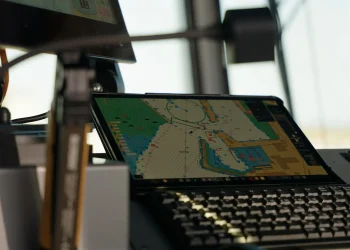
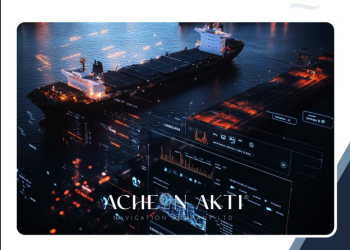
The partnership between Anschütz and Teledyne SevenCs puts S-100 data integration at the heart of the next generation of ECDIS, with implications for how ship operators use navigation data onboard. The focus is shifting from simply displaying more information to combining it with vessel parameters and sensor inputs so that bridge teams can use it directly in navigation decisions.
The introduction of the IHO S-100 standard will bring a broader range of dynamic information into ship navigation, including high-resolution bathymetry, changing water levels and surface currents. For shipowners and managers, the practical issue is how that information will be incorporated into systems already used by bridge teams.
Anschütz has partnered with Teledyne SevenCs to integrate the latter’s hydrographic software capabilities into the SYNAPSIS ECDIS NX and WECDIS NX platforms. The companies said the cooperation will support the transition to S-100 and give navigators a more consistent operational picture.
“SYNAPSIS ECDIS NX and WECDIS NX are designed to support the transition to the IHO S-100 standard,” said Matthias Grote, Product Manager for SYNAPSIS software at Anschütz. “S-100 brings a significant increase in available data. The important question is how this data is handled within the navigation system and how it supports the navigator in each situation. SYNAPSIS is designed to combine multiple data inputs into a clear, consistent and operationally usable picture that actually supports navigation.”
That distinction matters for fleet operators. More data can add workload if it remains scattered across separate sources. The system is designed to combine S-100 information with sensor inputs and vessel-specific parameters, allowing depth information to be assessed against draught and safety settings, water levels to feed into safety calculations, and current data to be considered during route assessment and manoeuvring.
The technical foundation is Teledyne SevenCs’ Nautilus Kernel, which provides structured processing of hydrographic data for S-100 applications. Anschütz then integrates that processed information into the SYNAPSIS environment.
Stephan Dimke, General Manager of Teledyne SevenCs GmbH, said: “The transition to S-100 is one of the most significant developments in maritime navigation in decades. We are proud that Teledyne SevenCs technology will support Anschütz in this transformation.”
The implications extend beyond compliance with the new navigation standard. S-100 will give bridge systems access to more detailed and dynamic information, but its operational benefit will ultimately rest on how effectively that information is presented and connected to the vessel’s actual operating conditions.