SEA.AI and Anschütz are integrating machine vision into the Autonomics Navigation Suite, adding optical and thermal detection to the sensor picture used for navigation assistance. The work is aimed at helping bridge systems recognise small or unlit targets that radar and AIS may not reliably capture.
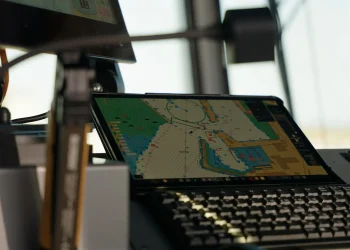
SEA.AI and Anschütz have formed a partnership to integrate machine vision into Anschütz’s Autonomics Navigation Suite, with design and validation work starting immediately. The companies say the integration will add another sensor track to a navigation system that already draws on radar, electronic navigational charts and AIS.
A bridge team can have several sources of information and still miss a small fishing boat, floating debris or a person in the water. Radar may struggle with small targets in clutter or at close range, while AIS only reports vessels carrying an active transponder. SEA.AI’s system uses optical and thermal sensors to identify and classify objects detected by its cameras.
That distinction matters for ship managers considering how much responsibility should sit with automated navigation systems. The aim is not to replace the officer on watch. The companies describe Autonomics as a decision-support system that can use the additional detection data when assessing collision and grounding risks and proposing COLREG-compliant manoeuvres for confirmation by the officer.
“Seeing pixels is easy. Turning them into a classified object that Autonomics can act on- a vessel, a buoy, a person in the water, before it becomes a risk- is what SEA.AI’s AI does. Combine that with Anschütz’s century of experience getting information safely onto the bridge, and collision avoidance can finally act on what it used to miss,” said Marcus Warrelmann, CEO, SEA.AI.
Hans-Christoph Burmeister, Business Development Commercial Markets, Anschütz GmbH, said, “Reliable detection of and information about small objects, as provided by daylight and infrared cameras as well as SEA.AI’s machine vision technology, is the missing link in existing commercial maritime sensor systems that we are about to close.”
The partnership puts machine vision into the navigation workflow rather than treating camera-based detection as a separate bridge tool. That distinction will matter to shipowners assessing autonomous navigation, since the usefulness of another sensor depends on whether its information can be incorporated into decisions made by the crew.